


Key Trends Shaping the Future of ERP
With the global ERP software market predicted to be worth around $200 billion USD by 2033, growing at a CAGR of 11.9%, we look at the key trends and technologies that are likely to define the future of ERP.
 09 Jan 2025





Enterprise Resource Planning (ERP) systems have long been central to business operations, helping organizations integrate core processes such as finance, HR, supply chain, and customer relationship management. However, as technology continues to evolve, the future of ERP systems is undergoing a transformation. A range of emerging trends is shaping how ERP systems will function in the coming years. These trends are driven by advancements in artificial intelligence (AI), machine learning (ML), security, integration, and user-centric design, among other factors.
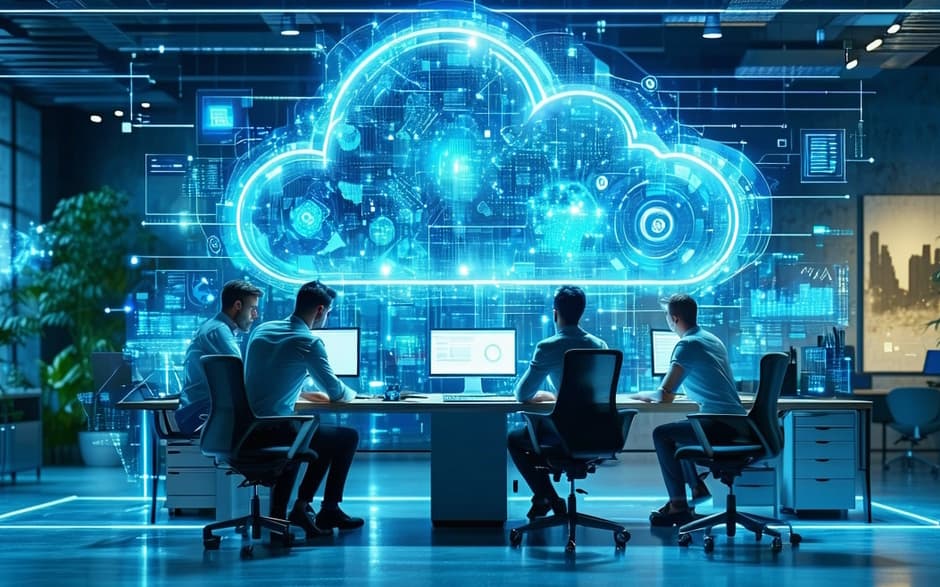
In this article, we will explore the key trends that are likely to define the future of ERP, focusing on the role of AI and ML innovations, industry-specific solutions, enhanced integration capabilities, user-centric design, and heightened security and compliance measures.
1. AI and ML Innovations: Redefining ERP Intelligence
Artificial Intelligence (AI) and Machine Learning (ML) are making their mark on ERP systems in powerful ways. In the past, ERP systems were primarily rule-based and designed to streamline routine business processes. However, with the integration of AI and ML, ERP systems are now evolving to deliver predictive analytics, intelligent automation, and enhanced decision support systems.
*️⃣ Predictive Analytics
One of the most significant impacts of AI and ML on ERP is the introduction of predictive analytics. Traditionally, ERP systems have been reactive — they provide data on past activities and trends, but don’t predict future outcomes. With AI and ML, ERP systems can now analyze historical data and identify patterns to forecast future trends, such as demand fluctuations, inventory needs, or financial projections. For instance, a manufacturing company could leverage AI-powered ERP to predict production bottlenecks or anticipate supply chain disruptions before they happen. This predictive capability allows organizations to make better-informed decisions and allocate resources more efficiently.
*️⃣ Intelligent Automation
AI and ML also enable ERP systems to automate tasks that once required human intervention. This can include everything from data entry and invoice processing to inventory management and customer service interactions. By automating routine tasks, businesses can free up their employees to focus on higher-value activities. Furthermore, AI-driven automation can improve the accuracy of processes, reducing the risk of human error and ensuring a higher level of consistency across operations.
*️⃣ Enhanced Decision Support
AI-powered ERP systems can offer sophisticated decision-making tools. For example, AI can analyze vast amounts of data to provide real-time insights, enabling businesses to respond quickly to changing conditions. In finance, AI can recommend budget adjustments based on market conditions, while in sales, it can identify the best-performing products or sales strategies. These enhanced decision-support capabilities are helping organizations become more agile and responsive to market dynamics.
2. Industry-Specific Solutions: Tailoring ERP for Diverse Needs
Another key trend shaping the future of ERP is the development of industry-specific solutions. ERP systems have traditionally been designed as one-size-fits-all solutions, but as industries become more specialized, there is a growing need for ERP solutions that cater to the unique challenges of specific sectors.
For example, the healthcare industry has specific requirements related to patient data management, compliance with healthcare regulations, and the integration of medical devices. Similarly, the retail industry requires ERP systems that can handle complex inventory management, demand forecasting, and omnichannel customer service. By offering tailored solutions, ERP providers are enabling businesses to address these challenges more effectively.
*️⃣ Industry-Specific Customization
ERP vendors are increasingly focusing on providing out-of-the-box solutions that are customized to meet the needs of different industries. These solutions come pre-configured with industry-specific processes, workflows, and compliance features, making it easier for businesses to implement ERP without extensive customization. For instance, an ERP system for the manufacturing industry might come with pre-built modules for production scheduling, quality control, and supply chain management. Similarly, ERP solutions for the construction industry may include tools for project management, labor tracking, and contract management.
*️⃣ Fostering Vertical Integration
Industry-specific ERP solutions also enable greater vertical integration. In sectors such as manufacturing and logistics, companies often rely on highly integrated supply chains. ERP systems designed for these industries can better manage the complex relationships between suppliers, manufacturers, and distributors, ensuring that data flows seamlessly across the supply chain. By aligning ERP systems with industry-specific workflows, organizations can improve overall efficiency and streamline operations.
3. Integration Capabilities: The Rise of a Connected Ecosystem
As businesses increasingly rely on a variety of third-party applications and services, the integration capabilities of ERP systems have become a key focus. The future of ERP will likely see an even greater emphasis on interoperability — the ability of ERP systems to seamlessly integrate with other software tools, platforms, and business solutions.
*️⃣ Seamless Integration with Third-Party Applications
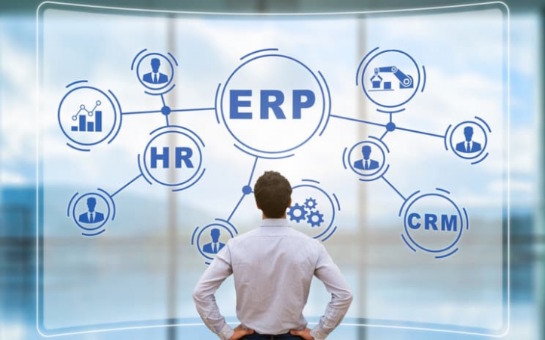
ERP systems no longer function in isolation; they need to work in concert with a range of other applications that businesses use. These may include Customer Relationship Management (CRM) systems, supply chain management tools, eCommerce platforms, and even social media analytics software. In the future, ERP providers will focus on making their systems more interoperable with third-party applications through the use of APIs (Application Programming Interfaces), cloud-based integration platforms, and open-source frameworks.
For instance, an eCommerce business may use ERP software to manage inventory and order fulfillment, but it will also need to integrate this with its CRM system for customer relationship management and marketing automation. ERP systems that offer robust integration capabilities can facilitate this process, ensuring that data flows seamlessly across platforms and eliminating the need for manual data entry.
*️⃣ Cloud-Based Integration
Cloud computing is another major factor driving ERP integration. With cloud-based ERP systems, businesses can more easily connect with external services, and ensure data consistency across multiple platforms. Additionally, cloud ERP solutions offer more flexibility in terms of customization, scalability, and remote accessibility. The rise of cloud ERP will enable organizations to more easily build a connected ecosystem where various tools work together in real time.
4. User-Centric Design: Enhancing User Experience
As ERP systems become more complex, user experience (UX) has become an essential factor in their success. The future of ERP is likely to be heavily focused on improving the user interface (UI) and ensuring that the software is intuitive, flexible, and accessible.
*️⃣ Simplified User Interfaces
In the past, ERP systems were often seen as cumbersome and difficult to use, particularly for non-technical employees. However, with the increasing importance of UX, ERP vendors are redesigning their interfaces to be more user-friendly. This includes simplifying workflows, reducing the number of steps required to complete tasks, and making it easier to find and analyze data.
For example, modern ERP systems often feature drag-and-drop dashboards, customizable reports, and intuitive search functions. This ease of use helps increase productivity and adoption rates among employees who may not have a deep technical background.
*️⃣ Mobile and Remote Access
With the growing trend of remote work and mobile business operations, ERP vendors are also focusing on making their systems mobile-friendly. The ability to access and update ERP data from mobile devices is increasingly becoming a standard feature. Employees, managers, and executives can now access key information and make decisions on the go, which increases operational flexibility and responsiveness.
5. Security and Compliance: Ensuring Data Protection
Finally, security and compliance are paramount concerns in the future of ERP. As ERP systems manage vast amounts of sensitive business data — including financial records, employee information, and customer data — ensuring robust security measures is more critical than ever.
*️⃣ Strengthening Data Security
With cyber threats on the rise, ERP providers are continually improving their security protocols. This includes features such as data encryption, multi-factor authentication (MFA), and intrusion detection systems (IDS). Many ERP vendors are also adopting blockchain technology to improve data integrity and traceability, especially in industries like finance and healthcare where data accuracy is crucial.
*️⃣ Adherence to Regulations
As regulatory frameworks become more complex across different regions, ERP systems will need to be capable of handling industry-specific compliance requirements. For example, the healthcare industry must comply with strict regulations such as HIPAA in the U.S. and the GDPR in the EU, while financial institutions must adhere to anti-money laundering (AML) and know-your-customer (KYC) laws. ERP systems will need to integrate compliance features that ensure businesses meet these regulations automatically, reducing the risk of penalties and legal issues.
Conclusion: The Intelligent, Flexible ERP of the Future
The future of ERP systems will be defined by several key trends, including AI and ML innovations, industry-specific solutions, seamless integration capabilities, user-centric design, and robust security measures. These trends are set to make ERP systems more intelligent, adaptable, and indispensable to businesses of all sizes. As companies increasingly rely on ERP to manage complex operations and drive growth, ERP vendors must continue to innovate, ensuring that their systems are not only effective but also flexible enough to meet the unique needs of every industry.
By embracing these trends, businesses will be able to unlock new efficiencies, improve decision-making, and enhance overall productivity. The ERP of the future will not only be a tool for managing operations, but also a critical enabler of business success in an ever-evolving digital landscape.
Choose ICS for Expert ERP Implementation and Consulting Services
Investing in enterprise resource planning software could have incredible benefits for your business, but avoiding implementation failures, overstretched budgets, missed deadlines and business downtime requires the expertise of professional ERP consultants. At ICS, we’ve been working exclusively with Microsoft Dynamics AX/D365FO solutions for over 16 years offering development, customisation and integration services for clients across the world.
As specialists in both remote and on-site implementations with extensive experience in end-to-end ERP development services, we are well-equipped to help your business thrive. No matter the requirements or complexities of your project, you can trust our highly-skilled Dynamics consultants and developers to achieve exceptional results.
To learn more about our services and how ERP solutions could benefit your business, contact us today.
Customize, optimize and unlock the full potential of your Dynamics solutions with our expert guidance.